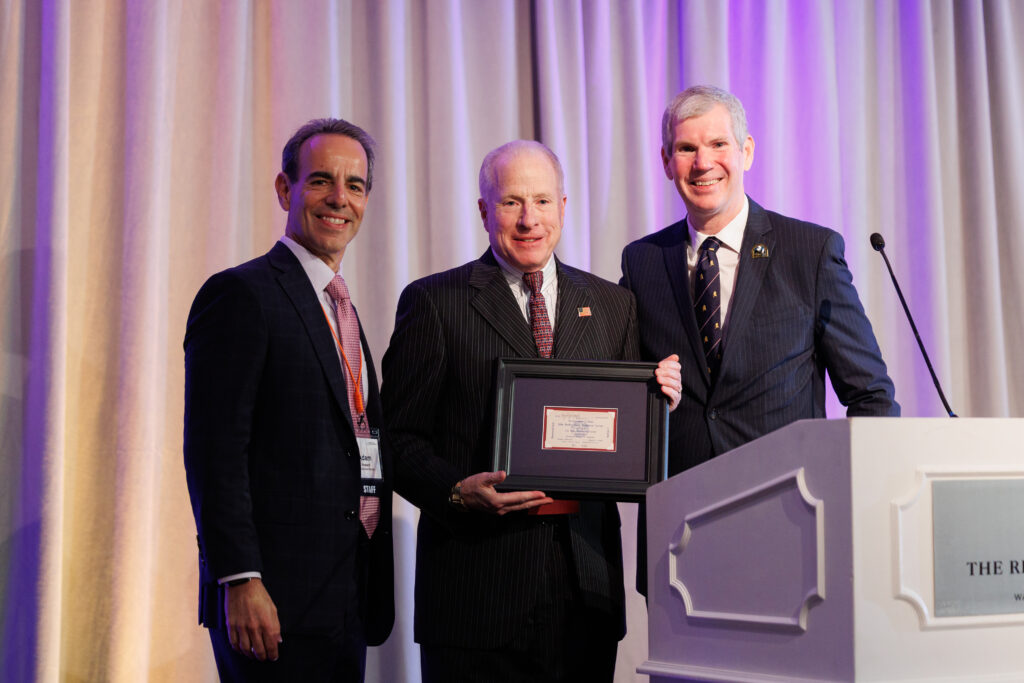
The Hottest Ticket in Town, 1946 By Donald P. Lofe, Jr. President and Chief Transformation Officer and Churchill Fellow, Westminster CollegeDirector, International Churchill Societ...
Introduced by Richard M Langworth...
In January 1911 Churchill provoked further controversy as a result of his decision to personally oversee the police’s attempts to capture a group of Latvian anarchists, led by ‘Peter the Painter’,...
He also loved Monaco From 1945, he regularly visited Monte-Carlo and stayed at the Hotel de Paris for year-end festivities In the 1960s, he stayed here on the invitation of his...
Churchill didn’t only paint at Chartwell. His easel, brushes and paints accompanied him everywhere - while staying at homes of friends and family (at Hever Castle in Kent where he painted the colonnaded gardens, Breccles in Norfolk, the home of Clementine’s cousin where he painted the woods); on his holidays to the French Riviera (the Churchills rented a house in Cannes for six months in 1922); in Cairo (where he tackled painting the Pyramids), in Morocco, in America and Canada’s Rocky Mountains. Wherever he went, he took his painting paraphernalia. Churchill also painted at one of his favourite places, Blenheim Palace, where he was born and to which he regularly returned throughout his life. Churchill’s early skill with the brush can be seen in paintings completed at Mimizan in Les Landes, south of Bordeaux in France – an area protected from the Atlantic by massive sand dunes and pinewoods – where he stayed as the guest of his friend the Duke of Westminster who had a house there. Lavery, who later stayed at Mimizan with Churchill, painted the same scenes.
Churchill’s desire to play a more important role in the war – and in politics – came a step closer when David Lloyd George toppled Asquith to become Prime Minister of a coalition government in December 1916. By July 1917, his old Liberal ally and mentor was confident enough to take the risk of reintroducing Churchill – now largely exonerated of sole blame for the Dardanelles – into Government. Lloyd George appointed Churchill Minister of Munitions, putting him in charge of forging the weapons of war.
After the war, Churchill was haunted by the threat of the Bolsheviks – the ‘Red Peril’ – and the Revolution in Russia. Although he was under instruction from the war cabinet to withdraw the 14,000 British troops still in Russia following the end of the war, he argued passionately in 1919 that the allies should send extra troops, money and supplies to support the white Russian forces, but there were battles to fight closer to home.
When Churchill returned to the Conservative party in 1924, Stanley Baldwin, keen to be associated with moderate social reform, promoted him to Chancellor of the Exchequer. Churchill’s period as Chancellor was one of the happiest and most settled phases of his career. He was almost at the top.
When Churchill was eighty eight he was asked by the Duke of Edinburgh how he’d like to be remembered. He reportedly replied that he’d like a scholarship named after him. A Foundation was created as a vehicle for the Churchill Scholarship in July 1959. Now called the Winston Churchill Foundation of the US, it’s a reminder of Anglo–US cooperation and friendship.
Get the Churchill Bulletin delivered to your inbox once a month.
Join the International Churchill Society today! Membership starts at just $29/year.