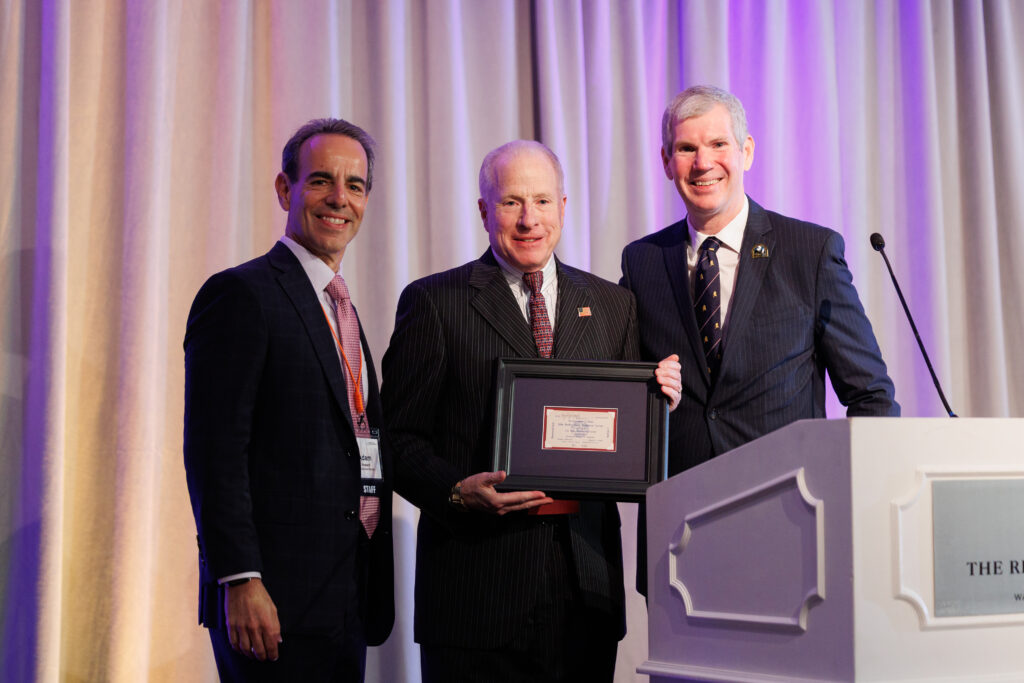
The Hottest Ticket in Town, 1946 By Donald P. Lofe, Jr. President and Chief Transformation Officer and Churchill Fellow, Westminster CollegeDirector, International Churchill Societ...
Introduced by Richard M Langworth Little known until 1995, the earliest...
Churchill was a keen bricklayer and, when his skills became known, was invited by a local branch official to join the Amalgamated Union of Building Trade Workers’, an offer he promptly...
Introduced by Richard M Langworth...
Chartwell, the much-loved home in Kent that he bought in 1922 and which he enjoyed renovating and remodelling This is where he lived with his wife Clementine and his children, and...
Chartwell, both the house and its land, were to become Churchill’s passions and a haven for him and his family in the years to come. At great expense, he engaged architects, designers and builders to rebuild and expand the house and its accompanying buildings, even undertaking some of the work himself. Although Clementine never liked the house as much as Churchill and never got over the fact that he’d been less than honest in his dealings with her over the purchase of the house, she put all her efforts into ensuring it was a comfortable family home for the children.
Churchill’s legacy is still very much in evidence today; in the buildings in which he lived and worked (some of which remain very much as they were in his lifetime) and of course in the statues, portraits, streets, schools and squares named after him. But it’s at the places where he lived his life – either at work or at leisure – that you can see and experience much of Churchill’s historic legacy. Explore Churchill’s life and leadership, and discover his relevance today as relevant today as in his time, by visiting places where he lived and worked and where he himself visited or stayed. You can walk the same corridors he walked and learn more about the man through special Churchill exhibitions and collections of documents and artefacts.
Churchill spent much of his leisure time at Chartwell, the house and grounds he bought in 1922 set in the rolling countryside of Kent. When he wasn’t bricklaying, building tree houses for the children or feeding his menagerie of animals, he spent much of his time painting, particularly in his ‘wilderness years’. His studio at Chartwell is today much as it was when he was alive and many of his paintings can be seen on its walls. He generally preferred light and colour and, when the weather wouldn’t comply and he couldn’t paint out of doors, he often resorted to still-life studies of fruit, bottles and glassware (hence ‘Bottlescape’, his painting of a range of drinks and glasses, both full and empty.) His nephew Peregrine has said that Churchill, on receiving a large bottle of brandy for Christmas, sent his children round the house looking for other bottles to put alongside it, for a still life. Peregrine told Richard M. Langworth, the editor of , that Churchill said: ‘Fetch me associate and fraternal bottles to form a bodyguard to this majestic container’ ().
While supremely confident and self-assured in most fields of life, Churchill was generally modest about his achievements as a painter; he didn’t aspire to create masterpieces – he never claimed he had ever painted one – and didn’t intend to earn money from his pastime (unlike his other craft of writing). But he did have a certain ambition for his art. In 1921, only six years after he’d first tried his hand with a brush, he is said to have sold up to six paintings he’d exhibited in Paris under the pseudonym Charles Morin at Galerie Druet for the princely sum of £30.00 each. In 1947 he successfully submitted two paintings to the Royal Academy Summer Exhibition under the name David Winter (including ‘Winter Sunshine, Chartwell’, which had won a prize in 1927).
A film made the year after Churchill’s death about ‘The House He Loved’, with a contribution from Lord Louis Mountbatten https://wwwyoutubecom/embed/ZsTyrS1eUtE copyright: British Pathé...
Get the Churchill Bulletin delivered to your inbox once a month.
Join the International Churchill Society today! Membership starts at just $29/year.